
Matt Grattan
SVP of Revenue




In 2018, the Supreme Court ruled in favor of South Dakota in its case against Wayfair. This decision allowed states to require companies to collect sales tax based solely on sales volume and revenue—creating what is now known as “economic nexus.”
Instead of working together on common standards, each state created its own specific rules. Today, every state that collects sales tax has an economic nexus law in place.
This guide will help you understand economic nexus, identify the criteria states use, and estimate your potential tax obligations across various states.
Before we dive into economic nexus, remember that physical nexus rules haven’t changed. You still need to collect sales tax in states where you have:
Now let’s take a look at economic nexus. These laws can be triggered based on your order volume and/or revenue amounts, the channels you sell in, and time periods as defined by each state. E-commerce merchants continue to struggle with understanding which states they need to collect sales tax in. It’s a blind spot for them! Common questions include:
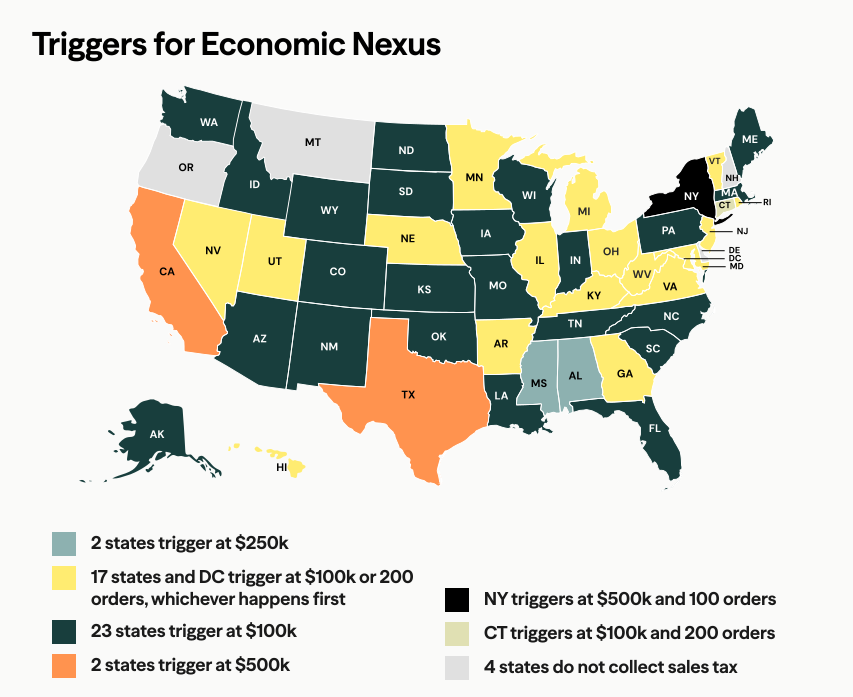
States currently have economic nexus thresholds based on one of these five sales categories:
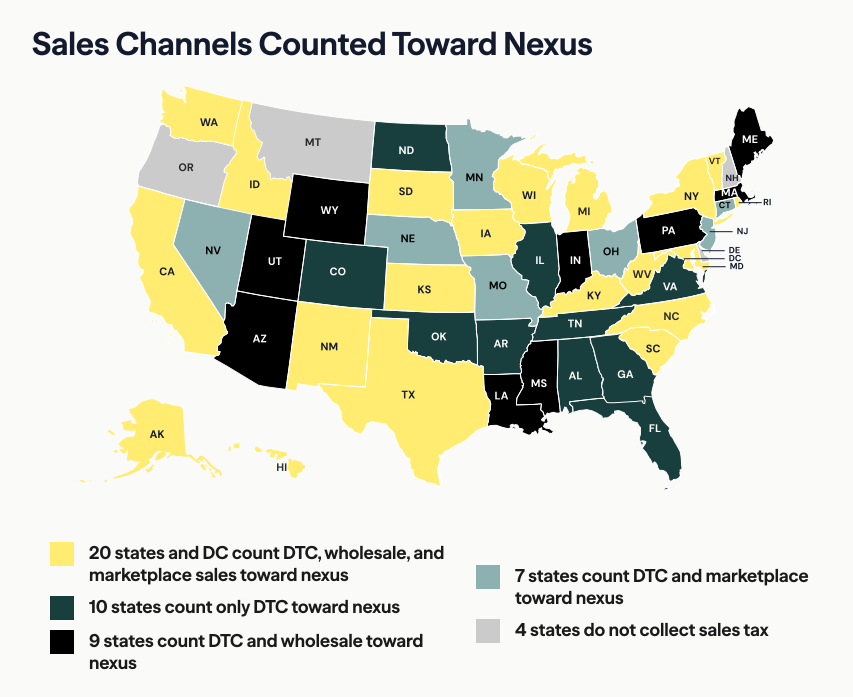
Sales channels that count towards economic nexus can be either:
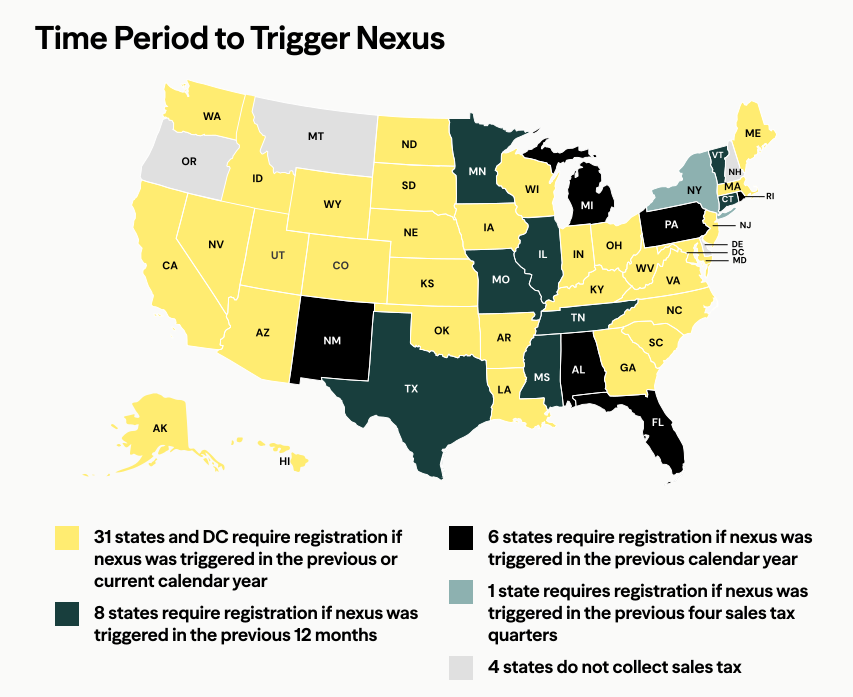
The time period the thresholds are tracked against include:
Using ratios from data provided by the US Census Bureau on % of personal consumption expenditures for each state and applying that to current economic nexus laws against company examples based on sales and channels, I’ve put together a method of estimating your potential economic nexus exposure. This is ONLY a ‘rough’ estimator and does not factor in all of the variables that go into a thorough economic nexus analysis.
The first example is for ecommerce merchants that sell 100% of revenue DTC. It uses different sales amounts and assumes an average sales price of $100 USD.
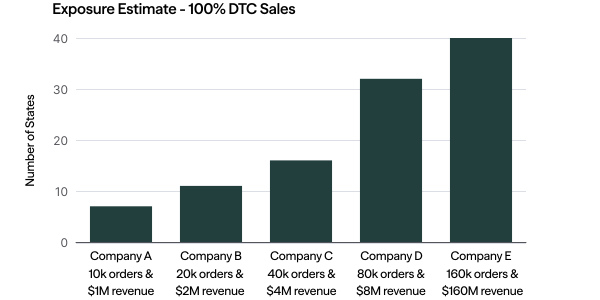
The second example is for merchants selling 20% DTC, 40% via wholesale and 40% marketplaces using the $100 average sales price.
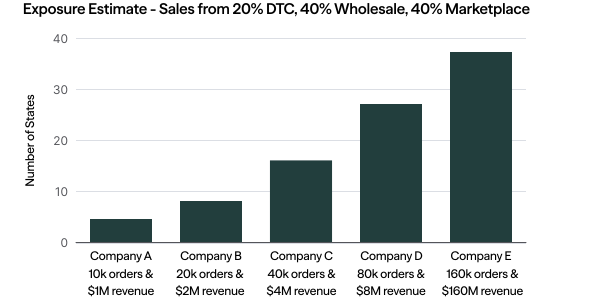
A couple of conclusions from this exposure analysis:
Understanding economic nexus is a challenge for many businesses. The laws use multiple variables and vary by state. Unless you want to become a sales tax expert, manual tracking is not an option. If you’re using a service to track your company’s exposure, be sure it’s using the correct criteria against all of the channels you sell in. If you have any questions or concerns, it never hurts to do a nexus analysis to ensure your company is currently compliant.