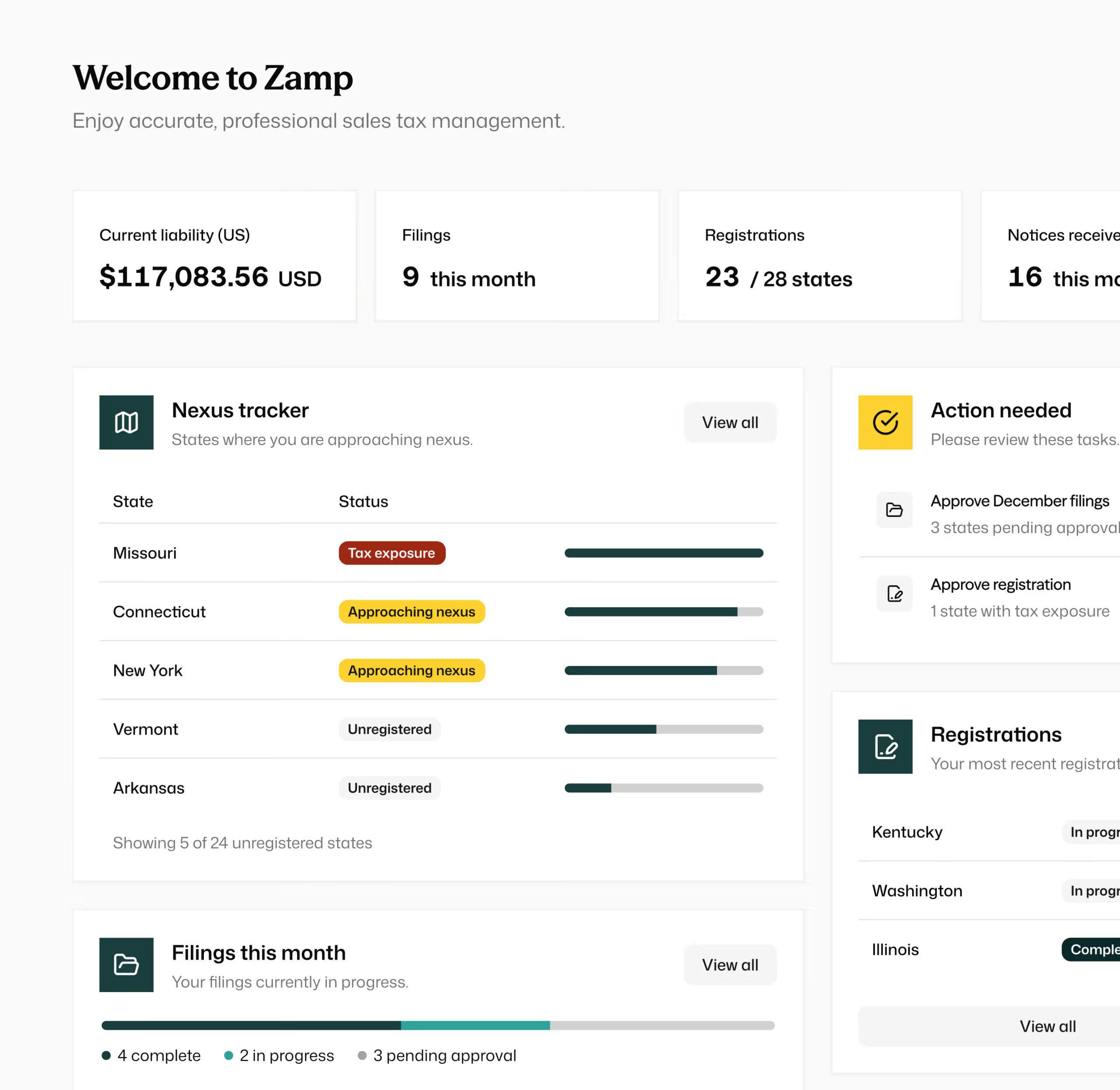

The last sales tax service you'll ever need.

An intelligent platform and tax professionals that handle sales tax globally, from start to finish.

Redirecting...
Work email required (no Gmail, Yahoo, etc.)

Trusted by thousands of finance and accounting teams.

Our customers say it best.

“I don’t have to spend much time if any on sales tax.”

Sam Bauman, VP of Finance at David

Read case study
“I don’t even have to think about it. That is amazing.”

Paige Honeycomb, Chief of Staff at Puzzle

Read case study
“Night and day experience versus our last sales tax vendor.”

David Wachs, CEO and Founder

Read case study

$400M+

sales tax remitted

150K+

filings on-time

75K+

notices handled

200K+

hours saved

The Zamp difference.

A single platform that combines powerful software with expert service.

Accuracy you can trust.

Rooftop-level calculations—down to the exact address. Global coverage wherever you sell.
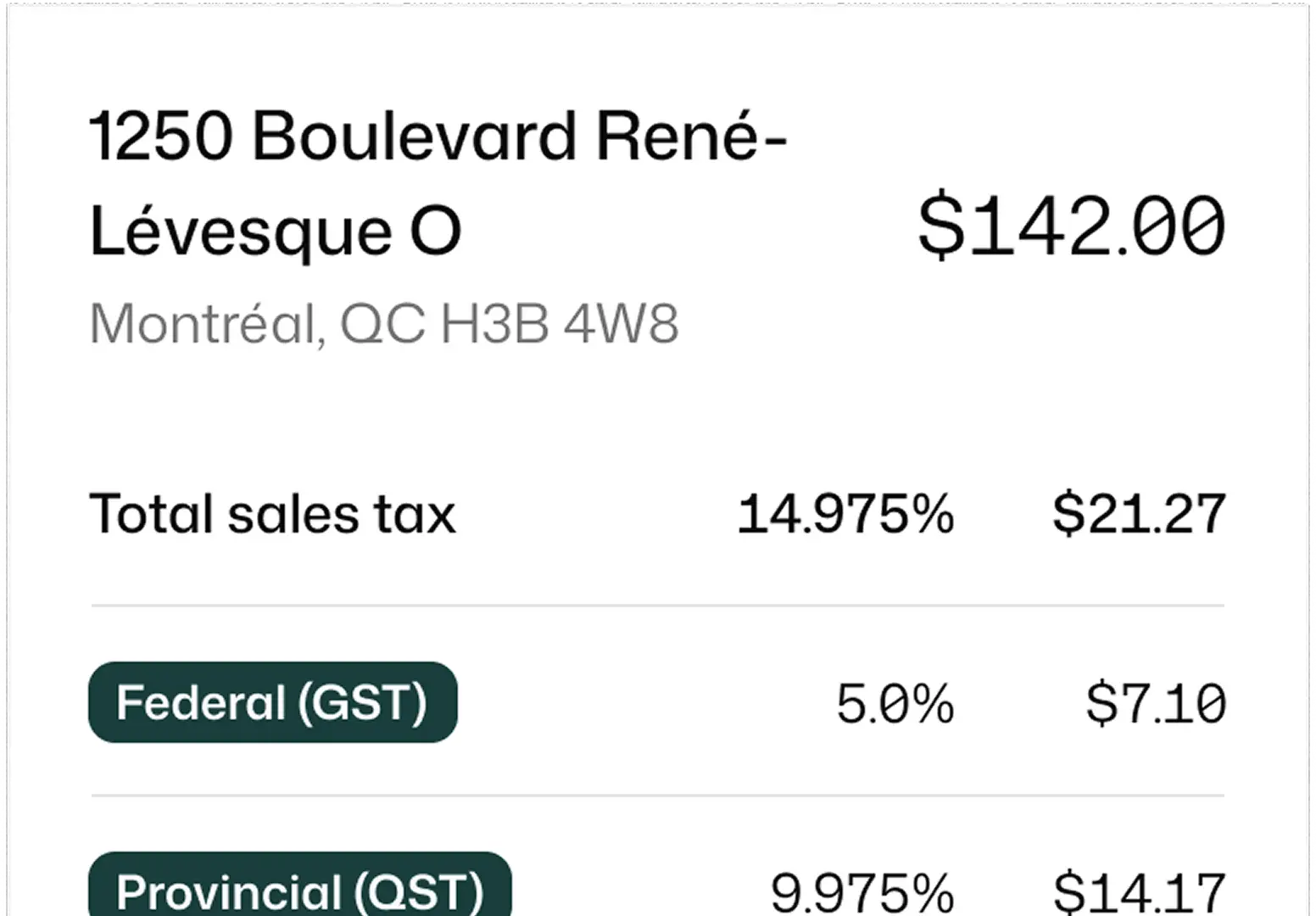
Rooftop-level calculations—down to the exact address. Global coverage wherever you sell.

A dedicated team that knows how states think about tax, including former auditors and sales tax specialists.
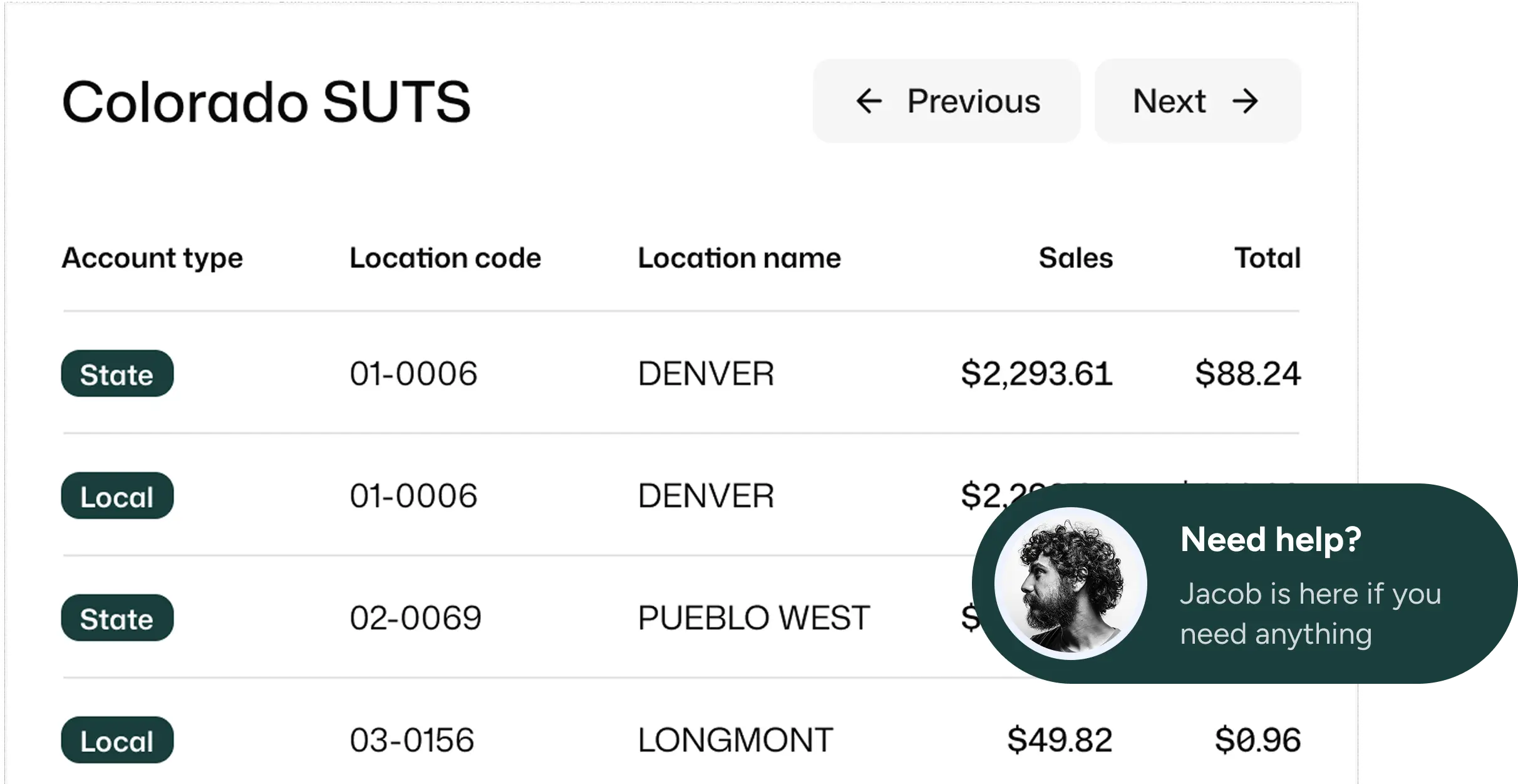
Simple price, no surprises.

Predictable billing with no per-transaction fees or surprise invoices. Registrations, filings, notices, and white-glove support included.
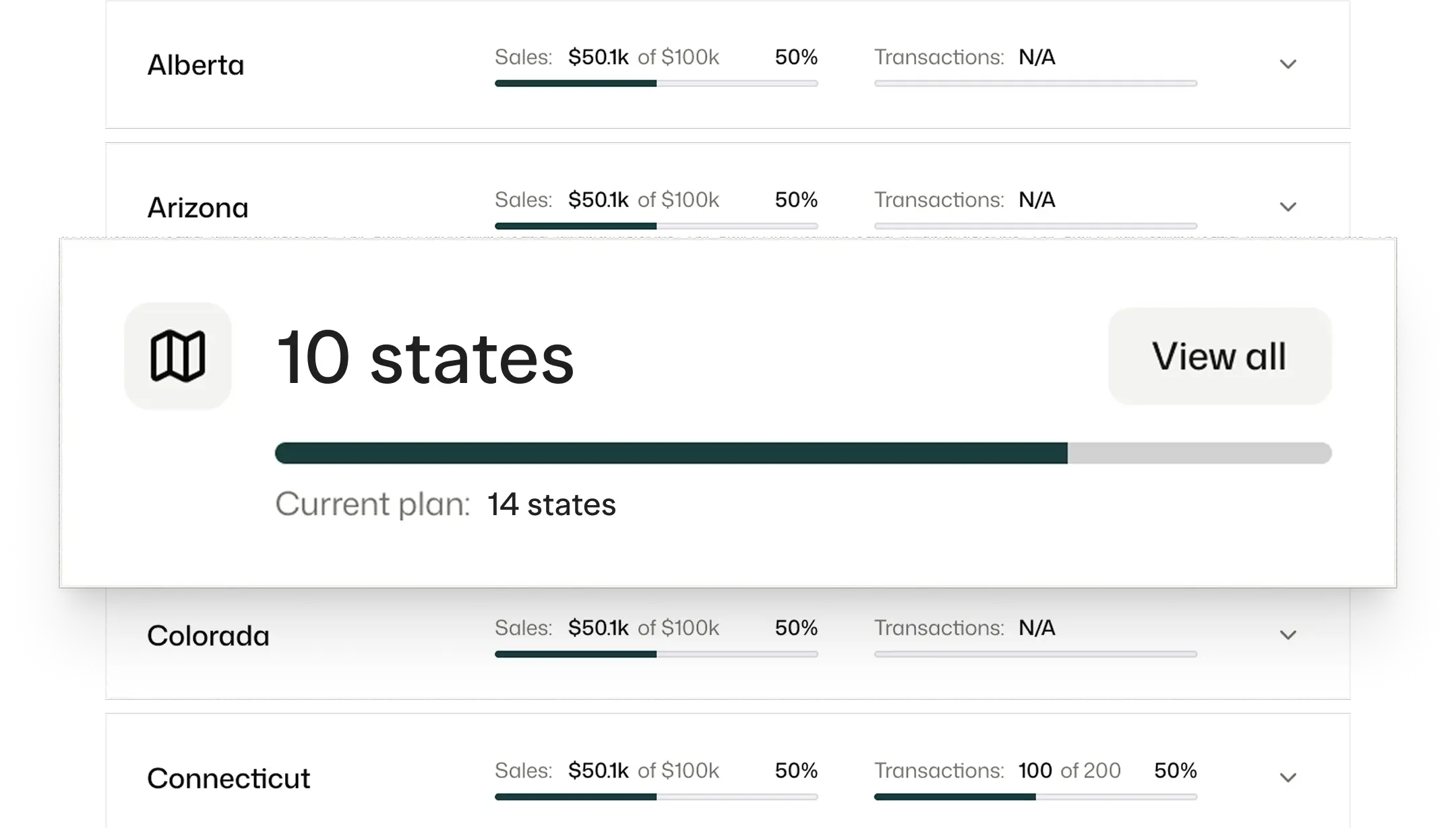
Always ahead.

Changes handled, exposure managed, and notices addressed long before they become your problem.
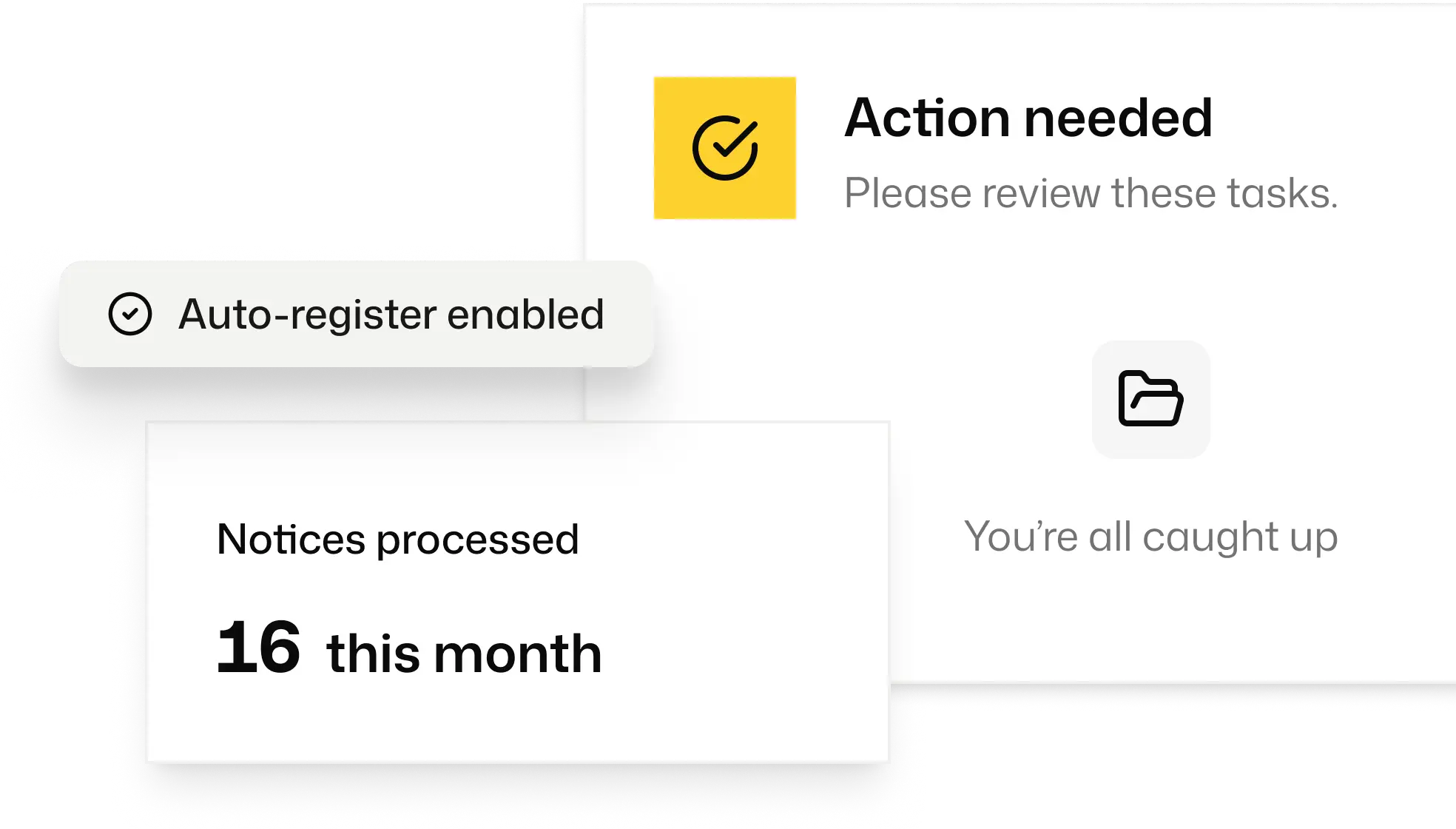
An intelligent sales tax platform with a managed service built-in.

When tax becomes simple, everything else accelerates.

See how teams are moving faster with Zamp.

Switch to the new standard in sales tax compliance.

Redirecting...
Work email required (no Gmail, Yahoo, etc.)

FAQ.

Still have questions? Call us at 1-866-438-9267 or email us at support@zamp.com.

Can I manage certificates in bulk?

Yes. You can review, edit, bulk-approve, and manage certificates and customers from one place.

How do I know where I have coverage gaps?

Your dashboard shows exemption coverage by state at a glance with a coverage heatmap, an "actions needed" list, and a clear status for each obligation: covered, gap, or expiring soon — so you can collect renewals before certificates lapse.

What does "validated" mean — do you confirm certificates are authentic?

Zamp validates the form, required fields, and dates on each certificate. We do not contact state authorities to confirm authenticity, and the seller remains responsible for audit response. What you get is organized, validated records and clear visibility into your coverage.

How does the certificate upload work?

When you upload a certificate, Zamp automatically extracts the key details — legal name, permit number, state, exemption type, and validity dates — and checks that the form, required fields, and dates are in order. Clean certificates are validated automatically. If something is missing, the certificate is flagged so you know exactly what to fix.

Do I have to enter all my customers before I start?

No. Just upload your certificates. Zamp reads each one and proposes the customers and state obligations for you to confirm, so setup is fast. You can also add customers manually if you prefer.

What is Exemption Certificate Management?

It's a tool in Zamp that helps you collect, validate, organize, and monitor exemption and resale certificates — and, most importantly, shows you where your exemption coverage has gaps. It replaces spreadsheets and manual cert tracking.

What happens if I get a notice from a state?

You send it to us, and we handle it. Both of our service models include end-to-end notice management, where we communicate with the tax authorities and resolve the issue on your behalf. There’s a good chance we will resolve the notice before you get a notification.

What does "rooftop-accurate" actually mean?

It means we determine sales tax based on the precise building address of your customer using geospatial coordinates, not just a general ZIP code. This is the highest level of accuracy available and protects you from over or under-collecting tax.

How easy is it to switch to Zamp?

Our white-glove onboarding makes switching painless. A dedicated specialist will handle your data migration, account setup, and any existing state registrations to ensure a seamless transition from day one.

How is Zamp different from tools like Avalara or TaxJar?

Most tools are “Do-It-Yourself,” meaning you are still responsible for setup, monitoring, and troubleshooting. Zamp is a “Done-For-You” service. We combine our powerful technology with a dedicated team of experts to manage the entire process for you, providing both a platform and a partner.

Who is Zamp best for?

Zamp is designed for growing small-to-mid-size digital businesses (e-commerce, SaaS, digital services) that need a reliable, expert-led solution for their increasingly complex sales tax obligations.

What happens if there’s an error or a deadline is missed?

Zamp owns the outcome. Under the Zamp Commitment, if a Zamp-managed calculation or filing results in penalties or interest, Zamp covers the cost. Accuracy, deadlines, and compliance risk are fully backed.

Are plans one-size-fits-all, or tailored to each company?

Plans are designed by stage of growth, then scoped to your specific nexus, jurisdictions, entities, and systems so compliance scales cleanly and defensibly.

Can I get started with Zamp before speaking to sales?

You can explore calculations and taxability in the API sandbox. Full platform access is configured around your products, entities, and integrations to ensure accuracy and audit-ready compliance.

Why do the U.S. and Global plans require a conversation with sales?

Sales tax setups differ by business model, jurisdictions, entities, and prior history. A short assessment ensures the right coverage and configuration. In over 80% of companies, we uncover gaps or issues from prior providers that need to be addressed upfront.

Why don’t you list fixed prices by state or per filing?

Sales tax complexity varies widely by product mix, number of states, entities, and historical exposure. Flat per-state or per-filing pricing often hides risk and leads to add-ons later. Zamp scopes pricing based on your actual footprint and compliance needs so coverage is complete, predictable, and audit-ready from day one.

Is there a catch?

No. We cover your remaining Avalara commitment, you switch to Zamp. We do this because we’re confident that once finance teams experience fully managed compliance — where someone else actually owns the outcome — they don’t go back. Over 500 companies have made the switch.

How does pricing work?

Zamp charges a flat fee to deliver the full compliance outcome — filings, registrations, nexus monitoring, notice management, and dedicated support. No per-return fees, no per-state surcharges, no surprise add-ons as your business grows. Unlike Avalara’s variable pricing across transactions, API calls, local jurisdictions, and modules, your cost is predictable and tied to the outcome, not your usage.

Do we still need in-house sales tax expertise after switching?

No. Zamp’s tax professionals operate as an extension of your finance team — handling complexity, answering questions, and managing day-to-day compliance so your team can stay focused on the business. You’re not buying software you still have to run. You’re handing off the entire function.

Who is accountable if something goes wrong?

Zamp takes end-to-end responsibility for compliance outcomes. From nexus monitoring and registrations to filings, notices, and audits — you have a single, named team accountable for accuracy and resolution. No ticket queues, no rotating agents, no finger-pointing between your team and a software vendor.

Will switching disrupt our filings, close, or audits?

No. Your current setup is reviewed, validated, and migrated in parallel so filings, registrations, and reporting continue without interruption. We don’t flip a switch and hope for the best — our tax team confirms everything is live and accurate before your Avalara account goes offline. Most teams are fully transitioned within a week.

What if I'm only a few months into my Avalara contract?

The buyout applies whether you’re 2 months in or 10 months in. We’ll work with you to structure the credit based on your remaining commitment. Your contract timeline shouldn’t keep you stuck with a solution that isn’t working.

How does the buyout work?

Tell our team about your current Avalara contract — including your remaining term and what you’re paying. We’ll review it and put together a buyout offer, typically structured as a credit applied to your Zamp subscription. The goal is simple: we cover what’s left so you can switch without paying twice.

Do we need in-house sales tax expertise?

No. Zamp’s tax professionals operate as an extension of your finance team, handling complexity and day-to-day compliance so your team stays focused on the business.

What if something goes wrong — who's accountable?

Zamp owns the outcome. Under the Zamp Commitment, if a Zamp-managed calculation or filing results in penalties or interest, Zamp covers the cost.

What does "fully managed" actually mean?

Nexus monitoring, registrations, filings, remittance, notice handling, and audit support — all operated end-to-end by Zamp’s tax team and platform. Your role is review and sign-off, not execution.

What if we've never collected tax or have back exposure?

We regularly help companies resolve historical exposure through VDAs (Voluntary Disclosure Agreements) before audits, acquisitions, or funding rounds. Addressing this proactively is always cheaper than waiting.

What does pricing look like?

Pricing is scoped to your actual footprint — states, entities, product mix, and historical exposure — and designed to scale predictably. No per-return, per-notice, or per-integration surprises.

Will switching disrupt our current filings or close calendar?

No. Your current setup is reviewed, validated, and migrated in parallel so filings, registrations, and reporting continue without interruption.

How long does it take to go live?

Most teams are fully live within a week with uninterrupted filing continuity. Your dedicated Onboarding Specialist handles data migration, registrations, and system configuration.

What happens on the first call?

We assess your current compliance setup, identify gaps or exposure, and scope what Zamp would manage. In over 80% of companies, we uncover issues from prior providers that need to be addressed upfront.

Who is responsible if something is filed incorrectly?

Zamp takes responsibility for the filings we manage, with expert review and clear ownership—so finance teams aren’t left carrying unnecessary risk.

How much involvement is required from our team?

Zamp manages compliance end to end while providing full visibility and control. Your team stays informed and involved where needed, without doing the day-to-day work.

Can you help clean up past service tax exposure?

Yes. We regularly help service businesses address historical exposure before audits, acquisitions, or fundraising.

Can you support services delivered across states or countries?

Yes. Zamp supports compliance across states and countries and helps assess where tax applies based on customer location and service delivery.

Do remote employees or contractors create sales tax nexus?

In many cases, yes. A single remote employee or contractor can create physical nexus. Zamp monitors both physical and economic nexus triggers as your team becomes more distributed.

How do you handle bundled or mixed invoices?

Service invoices often include a mix of taxable and non-taxable services, software, or expenses. Zamp applies tax at the line-item level to ensure accuracy without over- or under-collection.

Are digital or remotely delivered services taxed differently?

Yes. Many jurisdictions apply different tax rules to online, remote, and on-site services. Zamp accounts for these distinctions so services are taxed correctly without manual interpretation.

Are services taxable everywhere?

No. Service taxability varies widely by jurisdiction and often depends on the type of service and how it’s delivered. Zamp applies the correct rules automatically based on location, service classification, and delivery method.

Is there a difference between a Referral Partner and the Z-Tax white-label program?

Yes. Referral partners introduce clients to Zamp and earn commissions. Z-Tax is our white-label program where accounting firms and tax advisors offer Zamp-powered compliance under their own brand. If you want to embed sales tax as a service line, Z-Tax may be a better fit.

Who is accountable if something goes wrong with a filing?

Zamp owns the outcome. Under the Zamp Commitment, if a Zamp-managed calculation or filing results in penalties or interest, Zamp covers the cost. Your client — and your reputation — are protected.

How does onboarding work for my referred clients?

We assign a dedicated Onboarding Specialist who handles data migration, nexus validation, registration setup, and system configuration. Most clients are live within a week with zero disruption to their filing calendar.

What happens if my client already has a tax mess or back exposure?

We handle it. Zamp cleans up state registrations, recovers lost portal access, and files back returns to get clients current. Where VDAs or other consulting services are needed, we connect you with the right resources to resolve it.

What types of clients are the best fit for Zamp?

Growing digital businesses — e-commerce, SaaS, CPG, and digital services companies — typically in the $5M–$300M revenue range that need reliable, expert-led sales tax compliance. If your client is outgrowing DIY tax tools or has compliance gaps, they’re a strong fit.

Will Zamp communicate directly with my client?

That’s entirely up to you. We can operate as a white-labeled extension of your team where all communication flows through you, or we can work directly with your client’s finance team for operational details.

What do I earn for a referral?

We offer a competitive referral commission structure. Specifics depend on the partnership tier — reach out to our partnerships team to discuss terms.

How does the referral process work?

You introduce us to a prospective client, and Zamp handles everything from there — the sales conversation, scoping, onboarding, and ongoing compliance. You stay as involved or hands-off as you’d like.

My clients use different platforms (QuickBooks, NetSuite, Shopify). Can you support all of them?

Yes. We have native integrations with major ERP, billing and e-commerce platforms to ingest transaction data automatically. For clients with custom tech stacks, we can ingest data via API or simple CSV uploads, standardizing everything into one compliance workflow.

How does the onboarding process work for existing clients?

We assign a dedicated Onboarding Specialist to your firm. We migrate your clients’ data, validate their current nexus status, and configure their account. We do the heavy lifting to ensure the transition is seamless and requires minimal effort from your side.

Do you communicate directly with my clients?

That is entirely up to you. We can act as a white-labeled extension of your team where all communication goes through you, or we can work directly with your client’s finance team to handle operational details.

How much time will my team need to spend managing this?

Close to zero. We handle the setup, the monthly data ingestion, the filings, and the notices. Your role is simply to maintain the client relationship.

Who is liable if there is an error or a state notice?

We are. Zamp takes full responsibility for the accuracy of the filings we prepare.

Who is responsible if something is filed incorrectly?

Zamp takes responsibility for the filings we manage, with expert review and clear ownership—so finance teams aren’t left carrying unnecessary risk.

How much involvement is required from our team?

Zamp manages compliance end to end while providing full visibility and control. Your team stays informed and involved where needed, without doing the day-to-day work.

Can you help clean up past service tax exposure?

Yes. We regularly help service businesses address historical exposure before audits, acquisitions, or fundraising.

Can you support services delivered across states or countries?

Yes. Zamp supports compliance across states and countries and helps assess where tax applies based on customer location and service delivery.

Do remote employees or contractors create sales tax nexus?

In many cases, yes. A single remote employee or contractor can create physical nexus. Zamp monitors both physical and economic nexus triggers as your team becomes more distributed.

How do you handle bundled or mixed invoices?

Service invoices often include a mix of taxable and non-taxable services, software, or expenses. Zamp applies tax at the line-item level to ensure accuracy without over- or under-collection.

Are digital or remotely delivered services taxed differently?

Yes. Many jurisdictions apply different tax rules to online, remote, and on-site services. Zamp accounts for these distinctions so services are taxed correctly without manual interpretation.

Are services taxable everywhere?

No. Service taxability varies widely by jurisdiction and often depends on the type of service and how it’s delivered. Zamp applies the correct rules automatically based on location, service classification, and delivery method.

Can you help if we have never collected tax before?

Yes. We regularly help SaaS companies identify historical exposure, clean up compliance gaps, and file back returns to get you current. Where VDAs are needed, we connect you with the right resources. Addressing this proactively is always cheaper than waiting for an audit.

Does Zamp handle usage-based or variable billing?

Absolutely. Our integrations with platforms like Stripe and Chargebee are designed to handle the dynamic nature of SaaS billing, including upgrades, downgrades, and metered usage, ensuring tax is calculated correctly on every invoice.

How do you handle B2B exemptions?

Many SaaS companies sell to non-profits or educational institutions that are tax-exempt. Zamp manages the collection and validation of exemption certificates directly, ensuring you don’t charge tax to exempt customers while maintaining the audit trail you need.

Do my remote employees create sales tax nexus?

Yes. In many states, having a single remote developer or sales rep creates “physical nexus,” obligating you to collect tax on sales in that state even if you haven’t hit the economic revenue threshold. Zamp monitors both physical and economic triggers to keep you compliant.

Is SaaS taxable in every state?

No, and that is where the complexity lies. SaaS is taxable in states like Tennessee and Vermont, but exempt in others like Michigan, while states like Colorado have specific home-rule jurisdiction variances. Zamp’s engine manages these rules automatically so you don’t have to track legislative changes.

Can you clean up our existing tax mess?

Yes. We regularly help brands recover lost logins, clean up state registrations, and file back returns to get you current. Where VDAs are needed, we connect you with the right resources. Most situations can be resolved favorably when addressed proactively.

What about wholesale and B2B sales?

We handle it all. Exemption certificates, resale certificates, multi-location drop shipping—everything managed in one platform. Upload certificates once, apply them automatically forever.

Does this work for high-volume Shopify Plus stores?

Yes, we support many Shopify Plus merchants processing millions in revenue. Our infrastructure handles complex tax rules and peak transaction volumes without impacting site performance or checkout speed.

Do you track physical nexus from my 3PL or FBA warehouses?

Absolutely. We monitor all locations where inventory creates physical presence—FBA warehouses, third-party logistics providers, drop shippers. You’ll know about nexus obligations before they become penalties.

Does Zamp handle marketplace facilitator laws?

Yes. When you sell through Amazon FBA or Walmart Marketplace, they collect and remit tax in most states. Zamp automatically identifies these transactions, excludes them from your filing obligations, but tracks them for nexus monitoring. You file correctly without double-paying or missing obligations.

What happens when nexus rules or tax regulations change?

Zamp monitors regulatory changes and updates calculation and filing logic as part of the managed compliance service.

How is usage measured for billing?

Usage is based on committed orders, not API calls, providing predictable, reconciliation-friendly pricing.

How is address-level accuracy achieved?

Zamp uses geospatial boundary mapping with real-time address validation to assign the correct taxing jurisdictions.

Does Zamp support Canadian GST, HST, and PST?

Yes. Zamp supports Canadian tax regimes with jurisdiction-level reporting and compliance workflows.

How are marketplace and off-platform sales included for compliance?

Transactions from external channels can be unified in Zamp for consolidated reporting and state filings.

Can Zamp handle refunds, partial shipments, and order adjustments?

Yes. Full and partial refunds, returns, and line-item adjustments are recalculated and reported with correct tax treatment.

How are wholesale and tax-exempt customers handled?

Exempt status is applied at checkout and carried through to jurisdiction-level reporting and state filings.

Does Zamp replace WooCommerce’s built-in tax settings?

Zamp becomes the system of record for tax calculation and compliance while integrating directly with checkout and order data.

What is required from our team before filings begin?

Your team reviews nexus, product taxability, exemptions, and initial liability reports before production compliance is activated.

How is usage measured for billing purposes?

Usage is based on committed orders, not API calls, providing predictable and reconciliation-friendly billing.

How is tax data prepared for audits and state notices?

Zamp provides line-item, jurisdiction-level reports aligned to filing forms and audit requirements.

Does Zamp support Canadian GST, HST, and PST in addition to U.S. sales tax?

Yes. Zamp supports Canadian tax regimes with jurisdiction-level reporting and compliance workflows.

How are partial refunds, returns, and order adjustments treated for tax?

Zamp recalculates and reports tax accurately for full and partial refunds, returns, and line-item adjustments.

Can Zamp support marketplace and off-platform sales (e.g., Amazon, Walmart)?

Yes. External channel transactions can be unified in Zamp for consolidated reporting and compliance.

How are wholesale and tax-exempt customers handled end-to-end?

Exempt status is applied at checkout and carried through to jurisdiction-level reporting and state filings.

What happens if Zamp is temporarily unavailable during checkout?

BigCommerce supports fallback tax settings that can be configured as a continuity measure, ensuring orders can still be processed.

How are tax rule changes applied over time?

Regulatory updates are reflected centrally in Zamp’s calculation and filing logic, ensuring ongoing compliance without reconfiguration.

How does the integration perform during peak transaction periods?

The system is designed to support high-volume order and refund processing without degradation to calculation or reporting accuracy.

How is reconciliation handled between Adobe Commerce and filed returns?

Jurisdiction-level summaries tie directly back to orders, invoices, and credit memos for close and audit review.

How does Zamp support expansion into new states or countries?

Nexus, registrations, and calculation logic are updated as your footprint grows, without requiring changes to your Commerce configuration.

What data is retained for audits and state notices?

Zamp maintains line-item, jurisdiction-level transaction history aligned to filing forms and audit documentation standards.

How are marketplace-facilitated sales treated versus direct sales?

Marketplace and direct transactions can be separated or consolidated to align with marketplace facilitator rules and state filing requirements.

Can Zamp consolidate multiple Adobe Commerce storefronts for a single compliance and filing view?

Yes. Transactions across multiple stores and websites can be unified for jurisdiction-level reporting and state filings.

How does Zamp handle partial invoices, returns, and credit memos for tax reporting?

Zamp recalculates and tracks tax at the line level across invoices, shipments, and credit memos, ensuring accurate jurisdictional reporting and filing for adjustments.

Can Shopify tax settings change without breaking filings?

Changes to Shopify collection rules are reflected in synced data and incorporated into compliance workflows to maintain continuity and accuracy.

How long does historical data backfill take?

Once connected, prior-period orders, refunds, and adjustments are imported to establish complete nexus analysis and filing coverage.

How are state notices and audits handled?

State correspondence and audit requests are supported with jurisdiction-level transaction history and filing documentation for resolution.

How are product taxability rules applied by state?

Products and shipping are mapped to jurisdiction-specific tax codes so state-level exemptions and special rules are reflected in reporting and filings.

How are marketplace-facilitated orders treated?

Marketplace transactions (e.g., Amazon, TikTok Shop) are identified and classified to align with facilitator rules so tax is not double-filed or omitted.

How is nexus determined and monitored?

Historical Shopify and multi-channel transactions are analyzed against state economic and physical nexus thresholds to identify registration and filing obligations.