
Alex Steele
Writer




Sphere has gained traction among SaaS companies seeking modern sales tax automation, backed by a $21M Series A from a16z. But as finance teams evaluate their options, they’re discovering that sales tax compliance requires more than software automation—it often requires expert guidance, liability protection, and someone who can answer when the state sends a notice. This guide examines seven alternatives to Sphere, including fully managed solutions that handle everything from nexus tracking to filing, enterprise platforms built for large organizations, and specialized tools for specific use cases.
Zamp represents a fundamentally different approach to sales tax compliance. Rather than providing software tools for your team to operate, Zamp combines an intelligent platform with dedicated tax professionals who handle sales tax end-to-end—from nexus monitoring through filing and notice resolution. The service model works two ways: “done for you” where Zamp handles everything with client approval, or “done with you” for controllers who prefer holding the keys while Zamp executes.
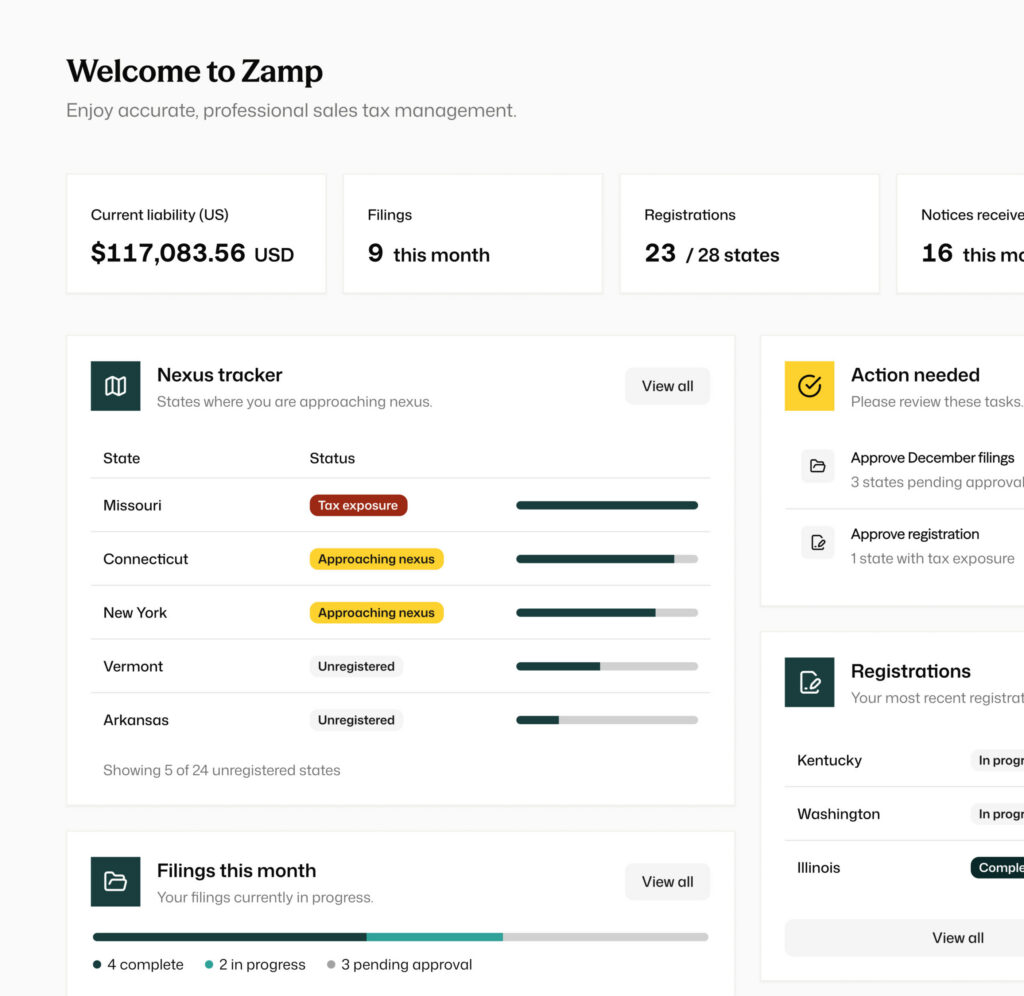
Startups to $300M+ companies wanting sales tax handled rather than just enabled. Particularly well-suited for e-commerce brands, SaaS companies, and accounting firms seeking to extend compliance services to their clients.
Zamp serves 1,200+ finance teams with a 97.8% customer retention rate. The average customer saves 20 hours per month on sales tax work, with onboarding typically completed in under two hours.
All-inclusive monthly pricing that covers software, service, registrations, filings, support, and dedicated account management. No per-transaction fees, no per-filing fees, no surprise invoices.
Get a free nexus assessment to understand your current exposure and see how Zamp works.
Avalara serves as one of the most established names in tax automation, having operated for over 20 years and processing transactions for enterprise organizations worldwide. The platform offers comprehensive coverage across tax types and use cases.
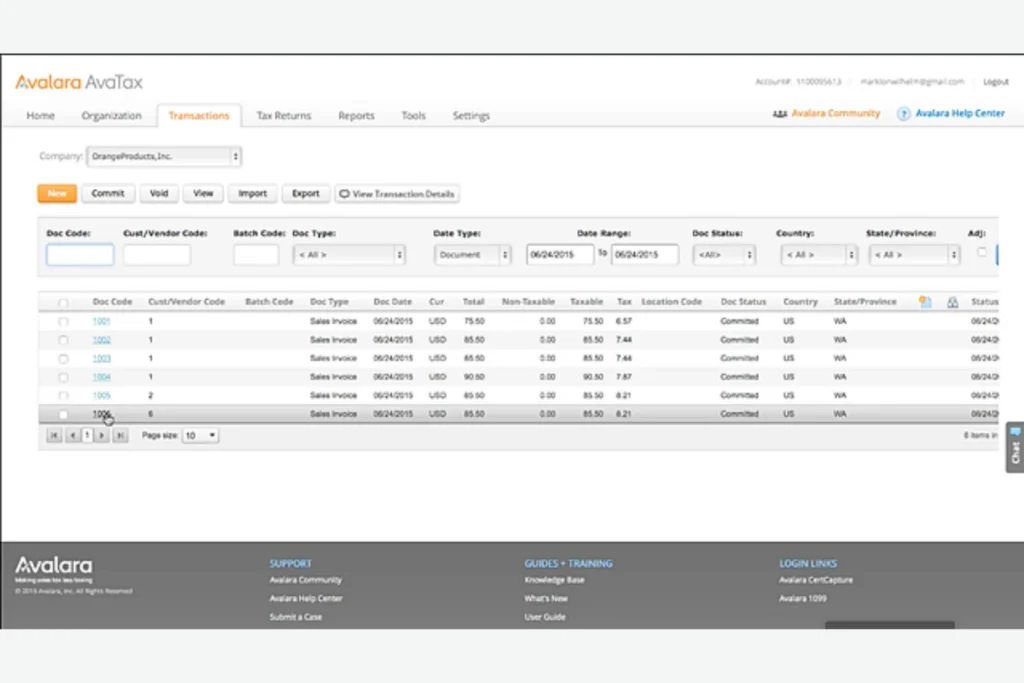
Large enterprises with established accounting departments and dedicated tax teams. Organizations requiring the broadest possible integration ecosystem. Companies with complex, multi-entity tax scenarios. Businesses where vendor longevity and market presence are primary considerations.
Custom pricing based on transaction volume and feature requirements. For teams considering a switch, Zamp offers a migration guide from Avalara.
TaxJar, now owned by Stripe, focuses on making sales tax compliance accessible for small to mid-sized e-commerce sellers. The platform emphasizes ease of use and economic nexus tracking at approachable price points.
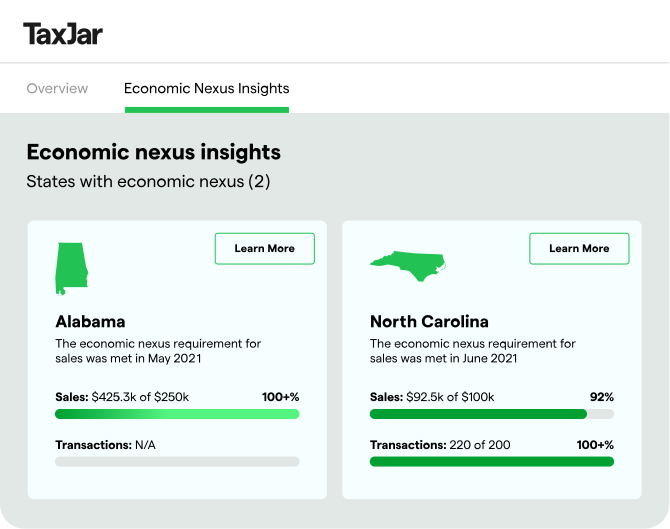
Small e-commerce sellers operating in a handful of states. Businesses seeking budget-friendly entry points for sales tax automation. Stripe users wanting integrated sales tax within their payment stack. Companies with straightforward U.S.-only compliance needs.
Vertex serves large multinational organizations with comprehensive indirect tax capabilities, having operated in the market since 1978. The platform is designed for enterprises with complex global tax requirements and dedicated tax departments.
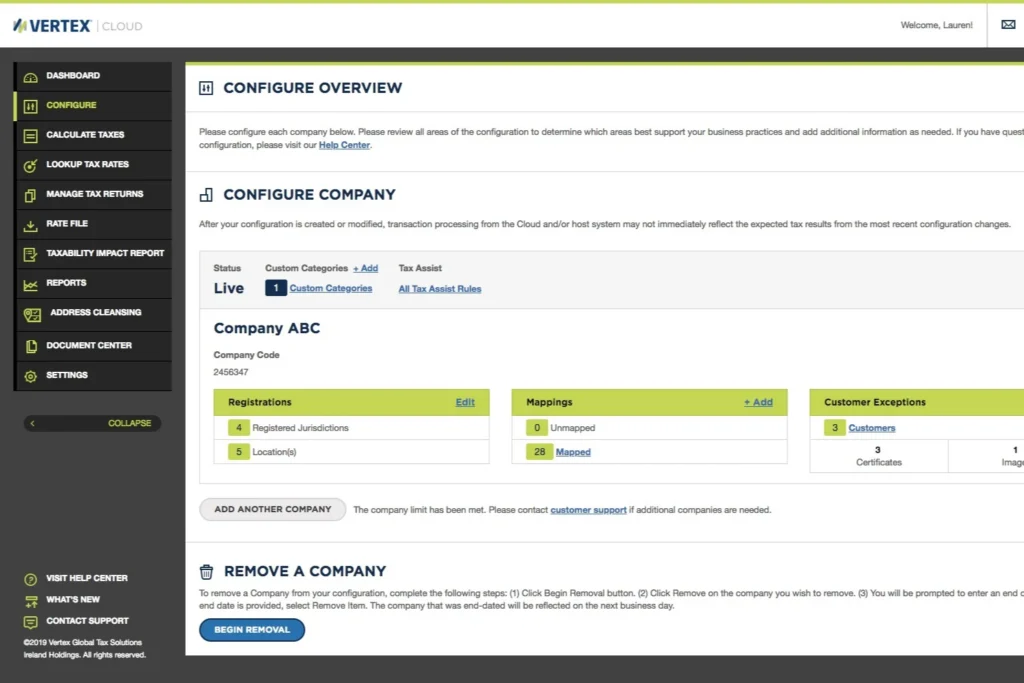
Large enterprises with sophisticated tax operations. Multinational corporations with complex indirect tax requirements. Organizations with dedicated tax departments managing compliance internally. Companies requiring deep customization and enterprise-grade infrastructure.
Custom pricing upon request.
Anrok has built its platform specifically for SaaS and subscription businesses, with particular focus on B2B software companies navigating complex digital tax rules across states.
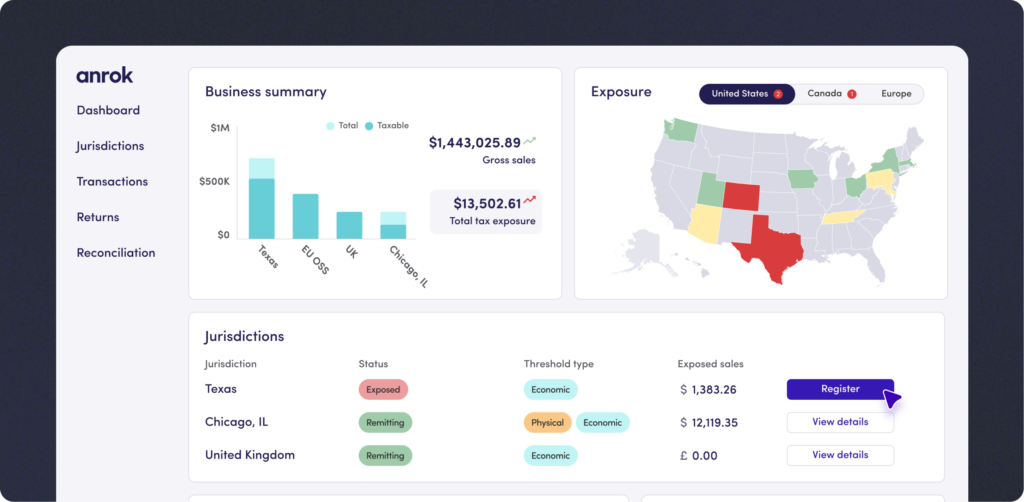
B2B SaaS companies with subscription billing models. Software startups seeking modern, developer-friendly tools. Businesses using billing platforms like Stripe, Chargebee, or Orb. Companies in early growth stages building compliance infrastructure.
Custom pricing based on company size and requirements.
Kintsugi positions itself as an automation-forward sales tax platform, using technology to streamline compliance workflows. The company focuses on bringing automation to sales tax compliance for modern businesses.
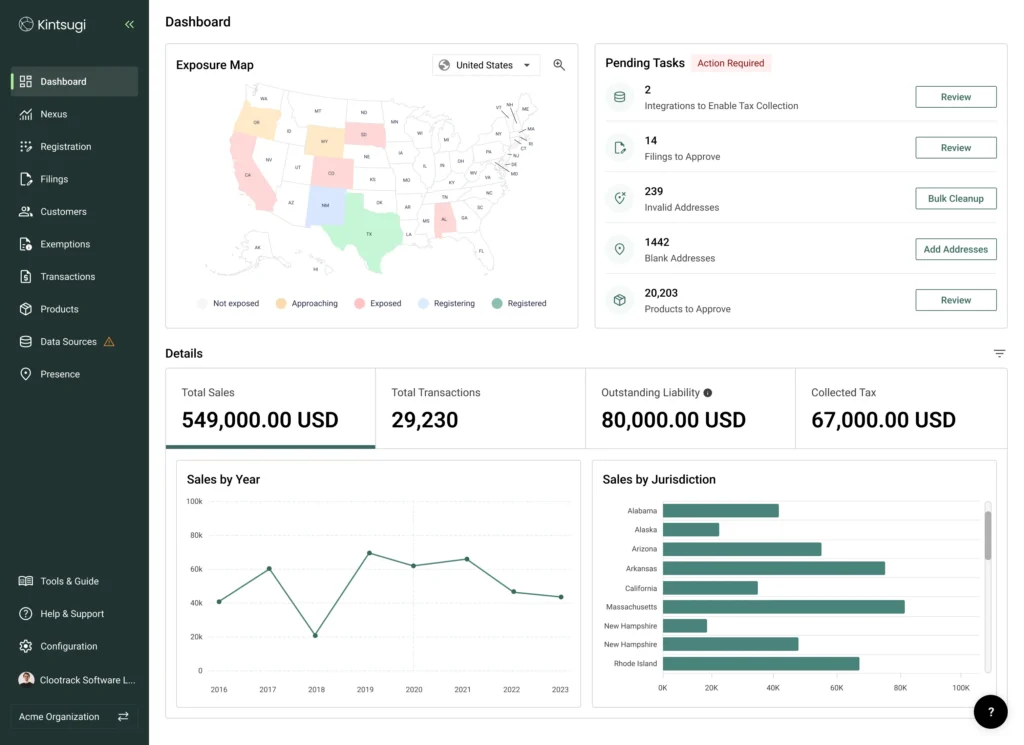
Companies seeking automation-first tax compliance. Businesses attracted to technology-forward approaches. Organizations looking for modern alternatives to legacy platforms. Teams prioritizing automated workflows over managed service.
Numeral offers sales tax compliance with managed service components, targeting e-commerce businesses seeking support beyond pure software automation.
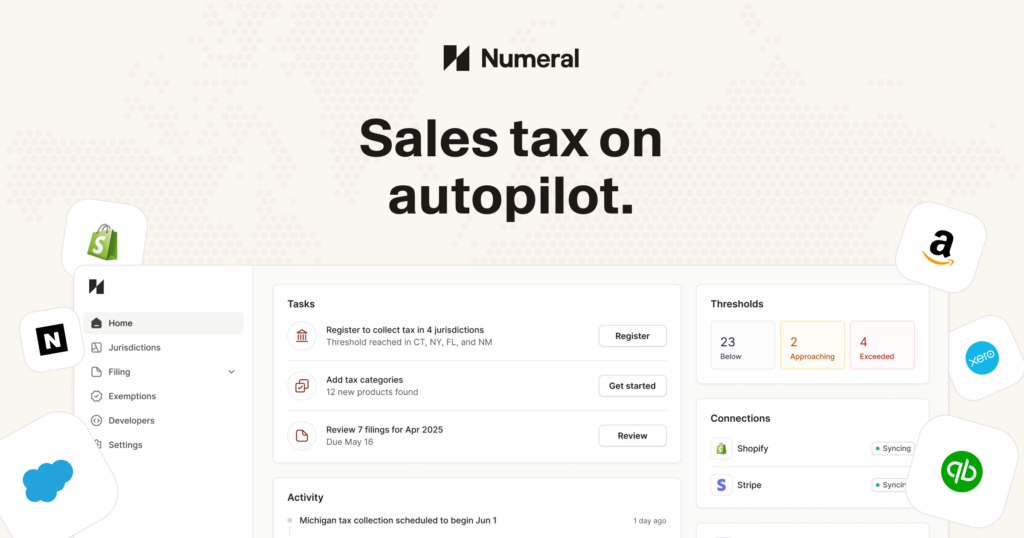
E-commerce businesses seeking some managed service support. Companies looking for alternatives to fully self-service platforms. Businesses valuing responsive support alongside automation. Organizations with moderate compliance complexity.
Migration complexity depends on your current setup and destination platform. Managed services like Zamp handle migrations as part of onboarding—their team configures integrations, imports historical data, and ensures continuity. For self-service platforms, you’ll manage the technical migration yourself. Most modern platforms support API-based data export, and many offer parallel operation during transition to verify accuracy before fully switching. Plan for 1-2 weeks for straightforward migrations, longer for complex multi-state setups with historical filing needs.
Your state registrations remain valid regardless of which platform you use—they’re registered to your business, not your software provider. When switching, your new platform will need access to your registration details to file returns. Managed services typically request copies of registration confirmations during onboarding. If you have registrations through your current provider’s registered agent service, you may need to update the registered agent information with each state.
Consider your team’s capacity and preferences. Managed services work well when you want compliance handled without adding headcount, when you value expert support during audits and notices, or when you’d rather not become a sales tax expert yourself. Software platforms suit teams with existing tax expertise who prefer direct control over every aspect of compliance. Some controllers prefer the “done with you” model—maintaining oversight while having experts handle execution.
Key questions to surface differences: Who owns the underlying tax rate data, and how often is it updated? What happens if your calculation or filing causes a penalty—does the provider cover it? How quickly will I reach a real person when issues arise? What does implementation actually involve, and who does the work? Can you provide references from companies similar to mine? Understanding these answers reveals the practical reality beyond feature marketing.
.png)
%20(1).png)