
Alex Steele
Writer




When growing businesses evaluate sales tax compliance solutions, the choice between Zamp and Sovos represents two fundamentally different approaches. Sovos built its reputation serving large enterprises with software tools and complex implementations. Zamp takes a different path—combining an intelligent platform with dedicated tax professionals to handle sales tax end-to-end, from nexus monitoring through filing and notices. This comparison reveals why Zamp’s fully managed approach delivers superior results for e-commerce brands, SaaS companies, and mid-market businesses that need compliance handled, not just enabled.
The fundamental difference between these two providers comes down to ownership. Sovos gives you tools. Zamp takes care of everything.
Sovos operates as a software platform with optional managed services layered on top. The company has built deep capabilities for large enterprises—particularly those needing global coverage across 185+ countries and certified SAP integrations. However, this enterprise focus creates challenges for mid-market companies:
Zamp operates as a fully managed service where tax professionals—including former state auditors—handle compliance from start to finish. This means:
The outcome difference is measurable. Zamp customers save an average of 20 hours monthly on sales tax tasks, allowing teams to focus on strategic priorities rather than compliance administration.
Tax calculation accuracy determines whether you face audit exposure or sleep soundly. The difference between getting it right and getting it close enough can mean thousands in penalties.
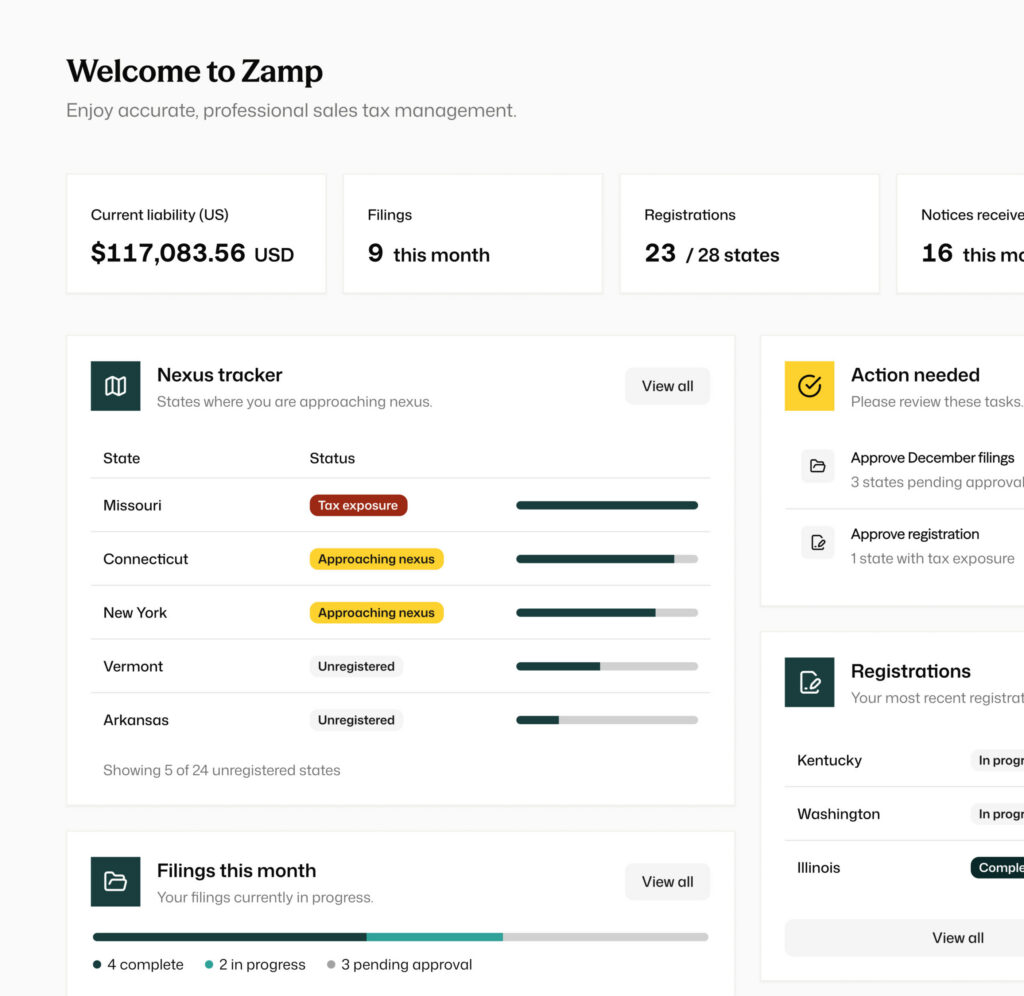
Zamp owns and verifies all tax data in-house. This first-party approach enables:
Many competitors—including newer entrants in the market—purchase stale third-party data that creates accuracy gaps. When your CFO asks “why was this transaction taxed this way?”, Zamp can answer with full transparency. Providers relying on third-party data often cannot.
Sales tax complexity extends far beyond rates. The taxability of individual products varies wildly by state—SaaS taxability differs in nearly every jurisdiction, clothing gets treated differently in New York versus Texas, and digital goods face a patchwork of rules.
Zamp maintains a comprehensive taxability library comparable to the largest legacy providers. Combined with dedicated product taxability research and mapping, this ensures your business applies the correct treatment to every transaction—whether you sell software subscriptions, physical goods, or bundled services.
Software alone does not equal compliance. The distinction between “tools” and “outcomes” separates adequate solutions from exceptional ones.
Sovos and similar platforms expect your team to:
Zamp flips this model. Your dedicated tax team handles everything while you approve the work. Two service models accommodate different preferences:
Either way, the burden shifts from your team to tax professionals with 400 years combined expertise.
Tax notices create anxiety for finance teams. A letter from a state revenue department can spiral into audit exposure, penalties, and hours of research.
Zamp’s notice management includes:
Sovos offers limited notice management, leaving many users to handle these headaches themselves.
One of the most important differentiators in the sales tax compliance space is how providers handle guarantees and accountability.
The Zamp Commitment goes beyond standard service offerings—Zamp covers penalties and interest resulting from their errors. Sovos offers no default audit guarantee, leaving you exposed when mistakes happen.
This commitment reflects confidence in accuracy and accountability. When a provider stands behind their work financially, it demonstrates a fundamentally different approach to the customer relationship.
Trust in a compliance partner comes from demonstrated results, not marketing claims.
Zamp’s track record:
The difference in customer satisfaction reflects the difference in service philosophy. When companies feel supported rather than sold, they stay.
Different businesses face different sales tax challenges. Zamp’s managed approach addresses specific pain points across three primary customer segments.
Multi-channel sellers face complexity that multiplies with growth:
Zamp handles all of this. Native integrations with Shopify, Amazon, and BigCommerce pull transaction data automatically. Your team focuses on selling while tax compliance happens in the background.
SaaS businesses encounter unique challenges:
Zamp’s taxability expertise ensures proper treatment across all scenarios. The platform scales with your growth without requiring additional headcount.
Regional CPA firms and outsourced CFOs face capacity constraints around sales tax. Each firm manages dozens of clients with compliance needs but lacks internal SALT expertise.
Zamp’s white-label service (Z Tax) allows partners to offer compliance under their own brand while Zamp handles execution. Custom infrastructure, full visibility, and granular permissions maintain client relationships while eliminating liability risk.
Integration quality determines whether a tax solution simplifies your operations or creates new friction.
Zamp builds native integrations—direct connections that work without third-party middleware. This approach delivers:
Zamp’s integration ecosystem includes:
Sovos focuses on enterprise ERP systems like SAP and Oracle, with reported integration challenges for platforms like NetSuite and Shopify. For e-commerce and mid-market companies, this creates implementation headaches.
Customer support separates good solutions from great ones. The contrast between Zamp and Sovos here is significant.
Every Zamp customer receives:
The team includes former state auditors, Big Four alumni, and veterans from Avalara and TaxJar. With 400 years combined expertise, questions get answered by people who understand how states actually think about tax.
The support experience reflects Zamp’s managed service philosophy. Rather than providing tools and hoping you figure them out, Zamp assigns dedicated professionals who own your success. This relationship-driven approach explains the high retention rate—when something works and people care, you keep it.
Sales tax complexity continues increasing. States adjust thresholds, add products to taxability lists, and change rules quarterly. The question is not whether you need a solution—it is whether your solution can grow with you.
Companies arrive at Zamp through two paths:
Urgent need: A state notice arrives. An audit looms. Immediate exposure requires fast action. Zamp’s under-2-hour onboarding gets you compliant quickly.
Searching for better: Frustration with a legacy provider—poor support, manual burden—drives evaluation. The switch to managed service removes that burden entirely.
Switching is straightforward. State registrations stay valid (they’re with states, not software providers). Zamp handles transition details with white-glove migration support.
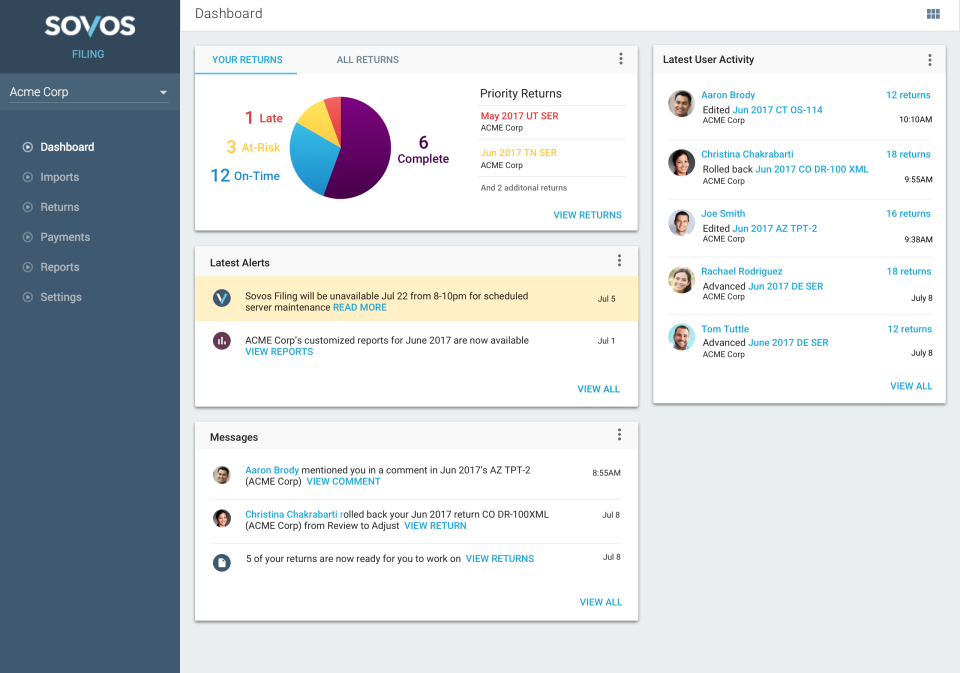
Fair assessment requires acknowledging Sovos strengths. The platform serves specific needs well:
For these specific use cases, Sovos enterprise focus delivers value. For everyone else—growing e-commerce brands, scaling SaaS companies, mid-market businesses selling primarily in the US—Zamp’s managed approach delivers better service, faster implementation, and transparent operations without enterprise complexity.
The last sales tax service you’ll ever need. That phrase captures what Zamp delivers—compliance owned, not just enabled. An intelligent platform combined with dedicated tax professionals who handle everything so you can focus on growth.
Sales tax is complex. Managing it shouldn’t be.
Zamp operates as a fully managed service where tax professionals handle compliance end-to-end—from nexus monitoring through registration, calculation, filing, and notice management. Sovos primarily provides software tools with optional managed services available at additional cost. This means Zamp owns the outcome while Sovos enables users to manage their own compliance. The practical difference shows in time savings: Zamp customers save an average of 20 hours monthly on sales tax tasks, freeing up finance teams to focus on strategic priorities rather than administrative compliance work.
Zamp owns and verifies all tax data internally rather than purchasing from third parties. The platform uses geospatial coordinates for rooftop-level accuracy—calculating taxes based on exact addresses rather than ZIP code approximations. This first-party data approach enables real-time rate updates, comprehensive taxability libraries, and filing accuracy exceeding 99.9%. When questions arise about specific transactions, Zamp can explain exactly why a particular tax treatment was applied—transparency that providers relying on third-party data cannot match.
Yes. Zamp provides managed compliance for U.S. sales tax across all 50 states covering over 13,000 jurisdictions plus global VAT and GST in 70+ countries. The global service includes multi-region calculations, threshold monitoring, registration support, and unified multi-country filing. However, businesses operating in 100+ countries may find Sovos’s 185-country coverage more comprehensive for extensive international operations.
Zamp serves three primary customer segments. E-commerce and omni-channel brands selling through Amazon, Shopify, and wholesale channels benefit from native integrations and expertise in marketplace facilitator laws. Software and SaaS companies gain specialized knowledge of variable SaaS taxability rules and remote employee nexus issues. Third-party accounting partners—regional CPA firms and outsourced CFOs—can offer compliance under their own brand through Zamp’s white-label service while eliminating SALT capacity constraints.
Zamp offers the Zamp Commitment, which means Zamp covers penalties and interest resulting from their errors. This financial guarantee demonstrates confidence in their accuracy and represents a fundamentally different approach to the customer relationship. Sovos offers no default audit guarantee, leaving businesses exposed when mistakes happen. This commitment to accountability, combined with Zamp’s managed service model, shifts liability and risk away from your team to tax professionals who stand behind their work.
Every Zamp customer receives a dedicated Account Manager and Onboarding Specialist, with average response times under one hour and direct phone access rather than ticket queues. The team includes former state auditors, Big Four alumni, and tax software veterans with 400 years of combined expertise. This contrasts with providers that rely on ticketing systems and longer response times. Zamp’s relationship-driven approach means questions get answered by people who understand how states actually think about tax, and the first-name-basis relationships reflect the managed service philosophy where dedicated professionals own your success.
.png)
%20(1).png)